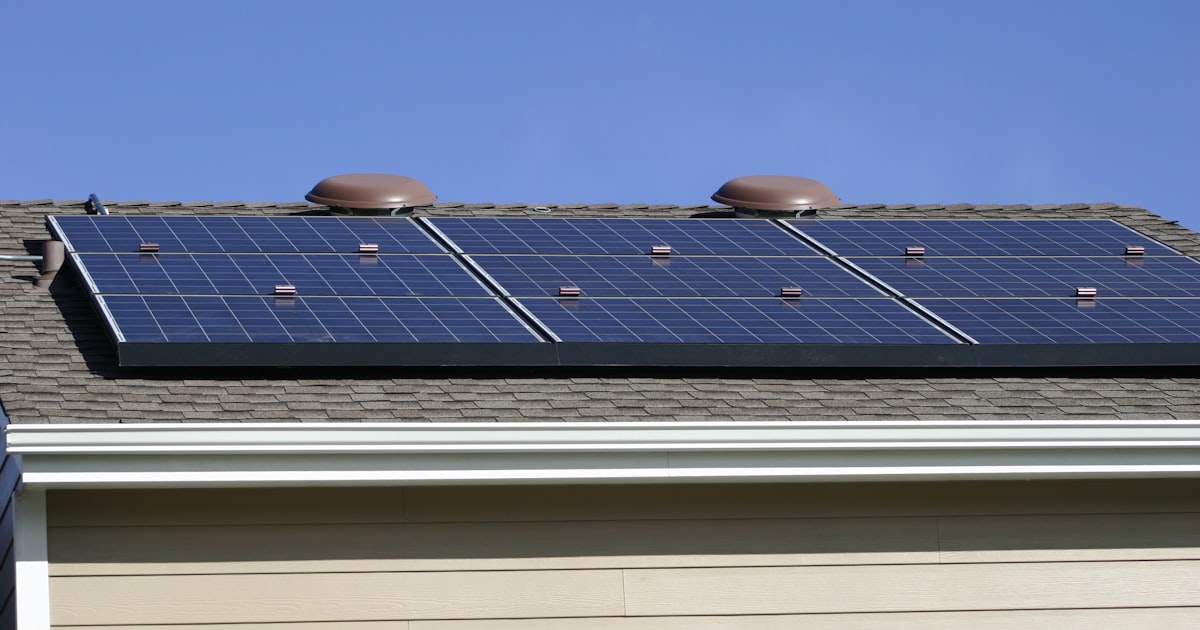
Solar sales have a problem that most industries don't: an incredibly long decision cycle combined with a crowded market where speed wins.
When a homeowner requests a solar quote, they're probably requesting three or four more. The company that responds fastest, follows up consistently, and stays top-of-mind through a 30-90 day decision process wins the install.
Most solar companies know this. Few execute it well. The ones that do are using automation to follow up with every lead, every time, without fail.
Here's exactly how they do it.
The Solar Lead Problem
Let's look at what makes solar lead follow-up uniquely challenging:
Long Sales Cycles
Unlike an HVAC repair (decide in hours) or even a roof replacement (decide in days), solar purchases take weeks to months. Homeowners need to:
- Research the technology
- Compare quotes
- Review financing options
- Check incentives and rebates
- Make a major financial decision
During that time, they're constantly being marketed to by your competitors.
High Lead Costs
Solar leads are expensive. Whether you're generating them through door-to-door, paid ads, or referrals:
- Paid lead services: $20-100+ per lead
- Google/Facebook ads: $50-200+ per qualified lead
- Door-to-door: $150-300+ in labor costs per appointment set
When you're paying that much per lead, letting even one go cold because you were too busy to follow up is burning money.
The 5-Minute Window
Research from Lead Response Management shows that the odds of contacting a lead if called within 5 minutes are 100x higher than at 30 minutes. For solar specifically, being first to respond often determines who gets the appointment.
Yet most solar companies take hours or days to respond to web leads.
Sales Team Bandwidth
Your closers should be closing. When they're bogged down with:
- Initial lead response
- Quote follow-ups
- Appointment confirmations
- Customer questions
- No-show rescheduling
They're not doing what actually generates revenue: sitting across the table and getting signatures.
What Automated Follow-Up Actually Looks Like
Let's walk through how AI automation handles the solar lead journey from first contact to signed contract:
Stage 1: Instant Lead Response (0-5 minutes)
Traditional approach: Lead fills out form, gets added to queue, sales rep calls when they get around to it (average: 4-24 hours).
Automated approach: Within 60 seconds of form submission:
- AI sends personalized text and email acknowledgment
- AI asks qualifying questions: roof age, shading issues, average electric bill, homeowner vs. renter
- For qualified leads, AI immediately offers appointment times
- Appointment books directly into sales rep's calendar
- Lead gets confirmation with rep's name and what to expect
The lead experiences: Professional, immediate attention that makes your company feel responsive and organized.
Stage 2: Pre-Appointment Nurturing
Between booking and the appointment (often 3-7 days), most companies go silent. That's a mistake.
Automated sequence:
Day 1 (after booking): "Quick question, [Name]. So I can prepare accurate numbers for your appointment, what's your average monthly electric bill? Just reply with the amount."
Day 3: Short video or link: "Before we meet, here's a 2-minute overview of how solar financing works. It'll help our conversation be more productive."
Day before: "Looking forward to tomorrow at [time]. You'll want to have a recent electric bill handy. Also, any areas of your roof with heavy tree shade? That'll help us design the best system."
Morning of: "See you at [time] today! I'll be bringing a customized proposal based on your home's solar potential. Call me at [number] if anything comes up."
What this does:
- Reduces no-shows by 40-60%
- Pre-qualifies the lead further
- Positions you as professional and prepared
- Gets homeowner engaged and thinking about solar
Stage 3: Post-Appointment Follow-Up
The appointment happened. You presented the proposal. They said they "need to think about it." Now what?
Automated sequence:
Same day: "Great meeting you today, [Name]. As promised, here's the summary of your proposal: [key points]. Any questions that came up after I left?"
Day 2: Address the most common objection: "A lot of homeowners wonder about [common concern, e.g., what happens if they sell the house]. Here's how that works: [brief answer]"
Day 4: Social proof: "Just finished an install on [nearby street/neighborhood]. The homeowner went from $280/month electric bills to $45. Happy to share more details if helpful."
Day 7: Soft check-in: "Hi [Name], just wanted to check in. Have you had a chance to review the proposal? Happy to answer any questions or jump on a quick call."
Day 14: Value add: "FYI, the [federal tax credit/state incentive] details: [link]. Let me know if you want me to walk through how that applies to your situation."
Day 21: Scarcity/urgency (only if true): "Quick heads up. Our installation calendar for [month] is filling up. If you're leaning toward moving forward, I can hold a spot for you."
Day 30: Long-term nurture begins: Monthly check-ins with valuable content until they're ready or explicitly opt out.
Stage 4: Lost Lead Reactivation
Six months ago, someone requested a quote and went dark. Maybe timing wasn't right. Maybe they got distracted. Most solar companies write these off.
Automated reactivation:
"Hi [Name], you looked into solar with us back in [month]. A lot has changed since then. [Incentive update / rate change / new financing option / technology improvement]. Worth a fresh look? I can put together an updated quote if you're interested."
Results: Typically 5-15% of "dead" leads can be reactivated with the right timing and message.
The Tech Stack: How It Works
Here's what powers automated follow-up for solar companies:
Core Components
-
AI Communication Layer
- Handles text and email responses
- Understands context and questions
- Personalizes based on lead data
- Knows when to escalate to humans
-
Calendar Integration
- Real-time availability
- Self-booking capabilities
- Automatic reminders and confirmations
- Reschedule handling
-
CRM Connection
- Logs all interactions automatically
- Updates lead status based on behavior
- Triggers appropriate sequences
- Syncs with your existing pipeline
-
Sequence Engine
- Timed messages based on triggers
- Conditional logic (if they respond, do X; if not, do Y)
- Multi-channel (text, email, voice)
- Easy to adjust and optimize
What This Replaces
Without automation, you need:
- Admin staff for initial response ($35-50k/year)
- SDRs for qualification ($45-65k/year)
- Sales ops for CRM updates (part of someone's job)
- Marketing for nurture sequences (agency or internal)
One AI system can handle the work of 1-2 full-time employees across all these functions. And it works at 11 PM on Saturday when your staff doesn't.
Real-World Results: Solar Company Case Study
A mid-sized solar installer (50-70 installs/month) implemented automated follow-up. Here's what changed:
Before Automation
- Average lead response time: 4.2 hours
- Appointment show rate: 62%
- Proposal-to-close rate: 24%
- Monthly installs: 52
After Automation (90 days)
- Average lead response time: 47 seconds
- Appointment show rate: 81%
- Proposal-to-close rate: 31%
- Monthly installs: 71
The Math
- Additional installs per month: 19
- Average install value: $28,000
- Additional monthly revenue: $532,000
- Annual revenue impact: $6.4 million
Cost of automation: ~$500/month
This isn't magic. It's what happens when every lead gets immediate attention, every appointment gets proper confirmation, and every proposal gets systematic follow-up.
Common Objections (And Why They're Wrong)
"Our leads want to talk to a human"
Some do. Many don't, at least not immediately. They want information quickly. They want their questions answered. They want to feel taken care of.
AI handles the initial interaction brilliantly. When someone wants to speak with a human, the AI routes them there. You're not removing the human touch, you're ensuring leads get immediate attention while humans handle what humans do best.
"Our sales process is too complex for automation"
Automation doesn't replace your sales process. It handles the administrative parts:
- Initial response
- Scheduling
- Reminders
- Basic questions
- Follow-up sequences
Your salespeople still do the consultation, design the system, handle objections, and close the deal. They just do it with better-prepared, warmer leads.
"We tried automation and it felt robotic"
Early automation tools were robotic. Modern AI is different. It:
- Uses natural language
- Personalizes based on context
- Handles unexpected questions gracefully
- Knows when to hand off to humans
Done right, leads often don't realize they're talking to AI until much later in the process.
"Our CRM already has automation"
Most CRM automation is rule-based: if X, send Y email. That's useful but limited.
AI automation understands context. When someone replies "actually, I'm going out of town next week, can we push the appointment?" the AI handles it. Traditional automation would just send the next scheduled email as if nothing happened.
Getting Started with Solar Lead Automation
Step 1: Map Your Current Process
Document what happens from lead capture to close:
- How are leads captured? (web forms, calls, referrals, door-to-door)
- Who responds and how fast?
- What's your current follow-up sequence?
- Where do leads fall through the cracks?
Step 2: Identify the Biggest Leak
For most solar companies, it's one of:
- Slow initial response (leads go cold before you reach them)
- Inconsistent follow-up (after the proposal, follow-up is sporadic)
- No-shows (appointments book but don't happen)
Start by fixing the biggest problem first.
Step 3: Choose the Right Tool
Look for:
- Solar/home service industry experience
- Integration with your existing CRM
- True AI (not just rule-based automation)
- Reasonable pricing that scales
- Good support and onboarding
Step 4: Start Small, Then Expand
Don't try to automate everything at once:
- Start with instant lead response
- Add appointment reminders
- Layer in post-appointment follow-up
- Build out long-term nurture
Each addition compounds the results.
Step 5: Monitor and Optimize
Track your key metrics:
- Lead response time
- Response rate (do leads reply?)
- Appointment set rate
- Show rate
- Close rate
Test different messages, timing, and approaches. Let data guide you.
The Bottom Line
Solar companies that master follow-up win. It's that simple.
The companies still relying on salespeople to manually follow up with every lead, send every reminder, and nurture every opportunity are leaving millions on the table.
AI automation isn't about replacing your sales team. It's about making sure they spend their time closing deals, not chasing leads who've already moved on.
Ready to Automate Your Solar Lead Follow-Up?
NovaSoft AI helps solar companies respond to every lead instantly, follow up consistently, and close more deals without hiring additional staff.
Our AI handles the heavy lifting: instant lead response, appointment scheduling, reminder sequences, and systematic follow-up through your entire sales cycle.
See it in action: Visit novasoftai.com to learn how solar installers are automating their lead follow-up and increasing close rates.
Frequently Asked Questions
How quickly can AI respond to solar leads?
Within 60 seconds of form submission or inquiry, AI can send a personalized response and begin the qualification process.
Will automation work with my existing CRM?
Most AI automation tools integrate with popular solar CRMs like HubSpot, Salesforce, and industry-specific platforms. Native integrations or API connections keep everything in sync.
What if a lead asks a question the AI can't answer?
Good AI knows its limits. When a question requires human expertise (complex technical questions, specific pricing negotiations), the AI seamlessly hands off to a human while keeping the lead warm.
How much does solar lead automation cost?
Solutions range from $200-1000/month depending on volume and features. Given that a single additional closed deal often represents $25,000+ in revenue, ROI is typically positive within the first month.
Can automation handle both residential and commercial solar leads?
Yes. AI can be configured with different qualification criteria and follow-up sequences for different lead types, routing each to the appropriate process.